
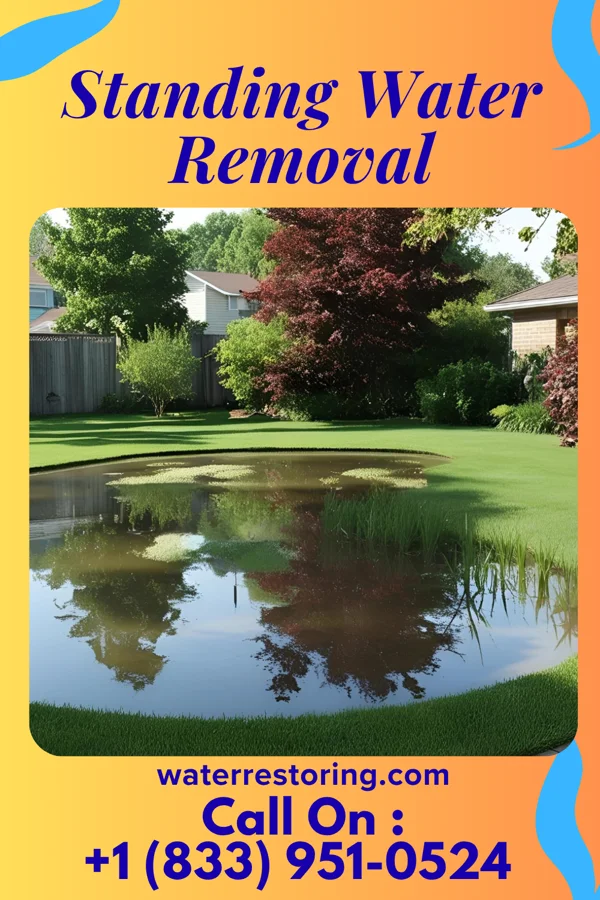
Why Geneva Sees Standing Water Often
The pattern in Geneva is consistent. In Geneva, Washington, water damage often stems from heavy rainfall and flooding due to its location near Sudden Valley and proximity to the Bellingham area, which can lead to sudden water intrusion in homes and businesses. Additionally, leaking plumbing systems in older rural structures are a common cause of water damage in the region. drives most of the emergency restoration calls we get. A close second is Secondary causes include burst pipes during winter months, improperly maintained septic systems, and groundwater seepage into basements of homes built on sloped terrain. These issues are particularly prevalent in the Marietta-Alderwood area due to its historical land use patterns..
Geneva's climate, characterized by heavy precipitation and occasional flooding, increases the risk of water damage. The area's proximity to the Pacific Northwest's frequent storms means that homeowners and businesses must be prepared for sudden water events that can impact both urban and rural properties.
Geneva's climate, characterized by heavy precipitation and occasional flooding, increases the risk of water damage. The area's proximity to the Pacific Northwest's frequent storms means that homeowners and businesses must be prepared for sudden water events that can impact both urban and rural properties. The dominant local driver is In Geneva, Washington, water damage often stems from heavy rainfall and flooding due to its location near Sudden Valley and proximity to the Bellingham area, which can lead to sudden water intrusion in homes and businesses. Additionally, leaking plumbing systems in older rural structures are a common cause of water damage in the region., with Secondary causes include burst pipes during winter months, improperly maintained septic systems, and groundwater seepage into basements of homes built on sloped terrain. These issues are particularly prevalent in the Marietta-Alderwood area due to its historical land use patterns. showing up as the next most common cause. Damage builds in stages. Spread. Absorption. Microbial growth. Structural compromise. Every stage you pass through adds to the final bill.